







Search Results for: Pache variety
Flavor Analysis of Guatemala Fraijanes Region and Brewing Parameters for Finca Cabana Washed Pache
Fraijanes is a distinctive yet often overlooked coffee-producing region in Guatemala. Its active volcanic activity and variable Atlantic climate give local coffee a lively acidity and full body. This article first outlines the geographical and climatic conditions of Fraijanes and the flavor profile of its coffee, then focuses on Cabana Estate—the result of nearly sixty years of management by the Solares family—to learn how estate owner Isauro improved quality through expansion, variety cultivation, and competition participation. Finally, it presents a detailed profile and flavor description of a washed Pache, along with Front Street Coffee's roasting and brewing recommendations for coffee enthusiasts' reference. [more…]
Guatemala Santa Felisa Estate Red Pacamara Natural Coffee Beans: Full Analysis of Flavor, Origin, and Processing Method
Santa Felisa Estate is located in Acatenango, a famous producing region in Guatemala. Founded by the Cruz family in 1904, it has now passed down to its fourth generation. The estate has repeatedly achieved excellent results in the Guatemala Cup of Excellence (COE) in 2016 and 2017, including first place in 2017. The batch introduced here is the Red Pacamara variety with natural processing, presenting flavors of pineapple, strawberry, black plum, and walnut, with a rich juicy feel, clean and delicate, and full layers. Guatemalan natural green beans are relatively rare, so this bean has attracted much attention. Front Street Coffee recommends that friends who enjoy natural flavors give it a try and experience its special ripe fruit aroma. [more…]
The South American Hermit: A Comprehensive Analysis of Peruvian Coffee Regions, Varieties, and Flavor Profiles
In the coffee landscape of South America, Peru has long played a low-key supporting role, often used in blends to stabilize body. But this country at the foot of the Andes actually possesses exceptional organic growing conditions and resources of ancient varieties. From Cajamarca to Cusco, from Typica to Caturra, Peruvian coffee is regaining international attention with its soft, delicate acidity and balanced mouthfeel. This article will outline the history of coffee cultivation in Peru, the characteristics of its three major producing regions, changes in production, grading standards, and processing methods, giving you a complete understanding of this overlooked gem of South American coffee. [more…]
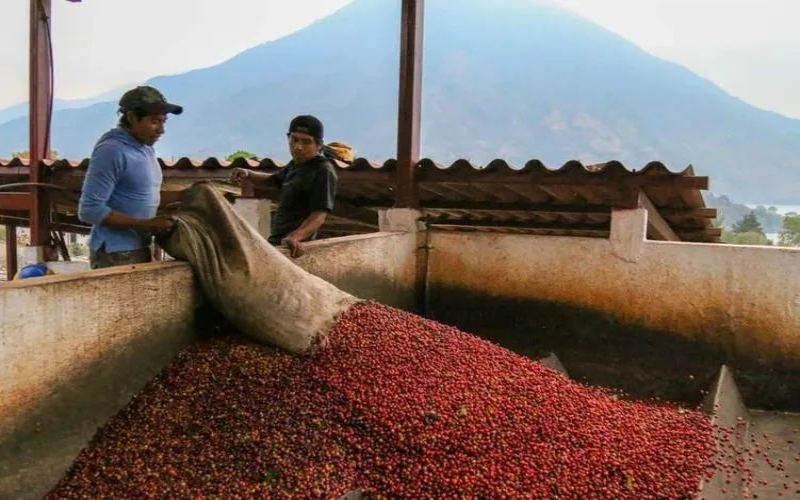
Guatemalan Coffee Growing Conditions, Development History, Main Varieties, and a Detailed Guide to Antigua La Flor del Café Beans
Guatemala is located in southern North America, where volcanic soil, tropical rainforests, and complex microclimates combine to create excellent conditions for coffee cultivation. From Jesuit missionaries bringing coffee trees to Antigua in the 18th century, to coffee rising to become an important cash crop in the mid-19th century, and then to the establishment of the National Coffee Association in 1960, Guatemala's coffee industry has traveled a winding yet solid path of development. Today, the region not only cultivates common varieties such as Bourbon, Typica, Caturra, Catuai, and Geisha, but also has developed distinctive variants such as Pache, Tekisic, and Mibirizi. Front Street Coffee has also acquired La Minita Estate's Flor del café beans from Antigua, and this article will unfold one by one from planting history, variety characteristics, to brewing performance. [more…]
A Complete Guide to Peru's Coffee Regions: Variety Distribution, Grading and Processing, and Flavor Recommendations for Cajamarca Geisha
Peruvian coffee has long played a low-key role on the international stage, yet it boasts the unique growing conditions of the Andes Mountains and a rich heritage of old varieties. This article systematically reviews the historical development of Peruvian coffee, the distribution of its three major producing regions in the north, center, and south, the altitude and variety structure, washed processing and grading systems, and provides an in-depth introduction to the terroir advantages of the Cajamarca region. Finally, the article presents the Peru · Cajamarca Washed Geisha sourced by Front Street Coffee, offering a complete picture from the roasting curve to the cupping flavors, showcasing the white floral notes, prunes, citrus, and black tea finish of this bean, providing coffee enthusiasts with a practical reference for purchasing and tasting. [more…]
Exploring South America's Hidden Origins: Peru's Coffee Growing History, Three Major Regions' Washed Beans, and an Analysis of Front Street Coffee's Geisha Flavor
On the eastern side of the Andes along the western coast of South America, Peruvian coffee has long existed in the specialty coffee world with a low-key yet steady presence. It was once an important component in blend formulations, providing body and balance, and due to historical turmoil, it once faded from the international spotlight. From the political upheavals of the 19th century to the revival in the 1990s, the Peruvian coffee industry has forged a unique path. Today, with its organic growing environment, traditional washed processing, and high-altitude microclimates, Peruvian coffee has regained attention. This article will outline the historical development of Peruvian coffee, the characteristics of the three major producing regions in the north, center, and south, the grading system and processing methods, and present a detailed flavor review of the washed Geisha from the Cajamarca region selected by Front Street Coffee. [more…]

Peruvian Coffee Flavor Characteristics and a Full Analysis of the Three Major Producing Regions and Estates: From Taste Grading to Brewing Recommendations
Peru is the world's eleventh-largest coffee producer, with ten distinctive coffee regions, known for its pure, mild, sweet, and smooth flavor. This article systematically reviews the history, flavor characteristics, grading system, and processing methods of Peruvian coffee, and provides an in-depth introduction to the estate distribution and flavor differences across the three major regions: north, central, and south. Front Street Coffee also shares medium-dark roast recommendations and French press brewing parameters, giving you a comprehensive understanding of this rapidly rising newcomer in the coffee world. [more…]
Front Street Peru Coffee Flavor Analysis: Geisha Bean Pour-Over Parameters and Brewing Step Guide
Peru, as the world's eleventh-largest coffee-producing country, is home to ten distinctive coffee regions, and is gradually emerging on the international market with a clean, mild, sweet, and full-bodied flavor profile. Front Street Coffee believes that today's Peruvian coffee is showing more and more juicy character and unique taste. This article will guide you through the history of Peruvian coffee, the terroir differences among the three major regions of the north, center, and south, the grading system and processing methods, and share Front Street Coffee's roasting recommendations and French press brewing steps for Peruvian coffee—ideal for coffee lovers who want to explore the charm of this low-key producing country. [more…]
The Differences Between Typica and Bourbon and Their Main Derivative Varieties: A Comprehensive Analysis from Origins and Plant Characteristics to Cup Flavor
In the world of coffee, Arabica, Robusta, and Liberica are the three major commercial bean species, while Typica and Bourbon under Arabica are the genetic cornerstones of modern coffee cultivation. This article will start with a brief overview of the characteristics of the three major species, then trace the historical journey of Typica and Bourbon from Ethiopia to Yemen and their subsequent spread around the globe, compare their plant morphology, yield performance, and cup flavor, and further introduce representative members of the Typica family, Bourbon family, and their hybrids. The article also retains Front Street Coffee's brewing examples and product recommendations, making it suitable for enthusiasts who wish to systematically understand the lineage of coffee varieties. [more…]
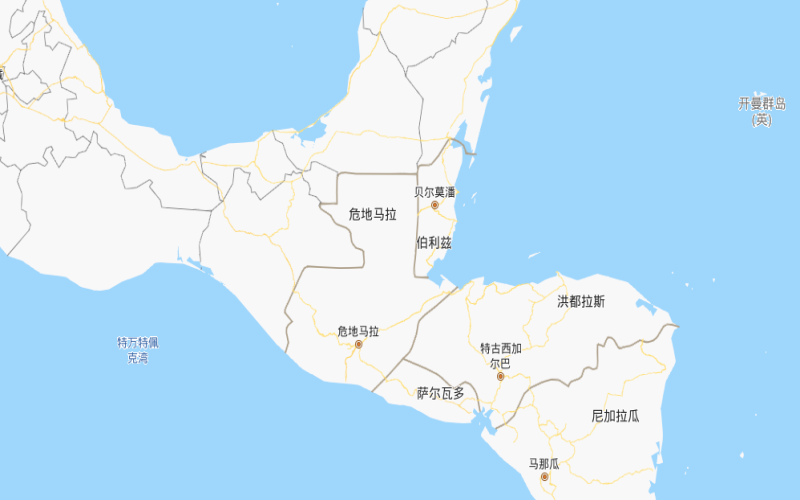
Flavor Analysis and Brewing Suggestions for Guatemala Santa Felisa Estate Geisha Orange Honey Process Coffee
Guatemala, with its high-altitude volcanic terrain and diverse microclimates, has become an important producer of specialty coffee in Central America, and its coffees often carry a distinctive smoky note in the finish. Finca Santa Felisa in the Acatenango region, founded in 1904 and now passed down through four generations, is known for its meticulous management and diverse processing methods. This article focuses on the estate's Geisha Orange Honey process lot, analyzing its flavor layers from grinding to tasting, including floral notes, honey, blueberry, apricot, and bergamot, while also introducing the estate's practices in varieties, post-harvest processing, and human care. It also shares Front Street Coffee's brewing parameters and bean-resting recommendations to help coffee enthusiasts better present the delicate elegance of this bean. [more…]
Flavor Analysis of Coffee from the Cusco Region of Peru: Varieties, Processing Methods, and Cupping Characteristics of the Andes
Cusco is located in southeastern Peru, where the coffee-growing belt stretches across the high Andes at elevations of roughly 900 to 2,000 meters. The region is known for its smallholder farmers practicing intensive cultivation, growing mainly varieties such as Caturra, Bourbon, and Typica. Red fruit, black plum, raisins, and rich chocolate make up its signature flavor profile, accompanied by a creamy, full body and moderate acidity. Travelers heading to Machu Picchu often pass through Cusco city, while the rugged mountains still hide secret farms that were not discovered until 1980. This article walks you through Cusco's growing environment, variety composition, harvest rhythm, and cupping performance, along with purchasing advice from Front Street Coffee. [more…]
Exploring Peruvian Coffee: The Global Leader in Organic Production and Flavor Analysis of Its Four Main Regions
Peru, an important coffee-producing country in western South America, has the largest area of organic coffee cultivation in the world, with 420,000 hectares of planting area, mainly distributed in the Andes Mountains at elevations of 600 to 1,900 meters. Local growers generally adopt shade-grown methods that do not destroy the rainforest ecosystem, allowing the coffee to mature slowly in the natural environment, thereby producing clean, smooth specialty coffee with rich layers of flavor. Peruvian coffee is mainly based on Typica, Bourbon, and Caturra varieties, and wet processing gives it a distinct aroma and soft fruit acidity, often with caramel, honey, and dark chocolate-like sweetness. This article will introduce the cultural background, variety structure, and processing methods of Peruvian coffee, and provide an in-depth analysis of the flavor characteristics of the northern, central, southern, and four major high-quality producing regions, while also presenting recommended information on Front Street Peruvian coffee beans. [more…]
Exploring Panama's Hartmann Estate: From Forest Conservation to the Unique Flavors of Natural Geisha
Hacienda Hartmann is one of the oldest coffee farms in the Volcan region of Panama and a coffee family of distinguished reputation. Since old Hartmann established the estate in 1940, he has upheld a philosophy of respecting nature, preserving large areas of primary forest, and making the estate a model of cooperation for bird conservation and academic research. The estate is located in the Baru Volcano region, with fertile volcanic soil and a high-mountain microclimate, and grows many bean varieties; in recent years it has become even more active in planting Geisha. This article introduces the history and current situation of Hacienda Hartmann and the flavor characteristics of its natural-process Geisha coffee beans, taking you to appreciate the unique charm of this coffee from a champion-producing region. [more…]
A Complete Guide to Hope Estate in Colombia's Cauca Valley: Flavor Profile and Origin Story of Natural Geisha Coffee
Front Street Coffee recently introduced a natural Geisha from Colombia's Cafe Granja La Esperanza, which when brewed presents aromas of blueberry and smoked plum, with layers of blackcurrant juice, orange, and berries on the palate, a rich juicy mouthfeel, and a red-wine-like finish. Cafe Granja La Esperanza occupies an important place in Colombia's coffee landscape, encompassing five sub-estates and having accumulated more than sixty awards in global competitions over the past decade. This article will trace the estate's history, plot distribution, variety experiments, and processing techniques, and analyze the source of its Geisha coffee's flavors. [more…]
Guatemalan Specialty Coffee Flavor Analysis: Antigua Region Characteristics, Front Street Coffee Bean Taste, Aroma, and Historical Origins
Guatemala, as an important specialty coffee producing country in Central America, nurtures coffee beans with rich layers and unique aromas thanks to its high-altitude volcanic soil and mild subtropical climate. Starting from the geography and history of the producing regions, this article analyzes the body, acidity, and flavor characteristics of Antigua coffee, and introduces detailed information on three Guatemalan specialty beans from Front Street Coffee, including the varieties, altitudes, processing methods, and flavor descriptions of Santa Ana, Finca El Injerto, and Finca Capetillo, guiding you through a comprehensive understanding of the unique charm and tasting highlights of Guatemalan coffee. [more…]
Detailed Guide to Guatemala Platanillo Estate Maragogipe Elephant Bean, Plus Front Street Coffee Pour-Over Parameters and Flavor Notes
Guatemala is a highly representative coffee-producing country in the Central American coffee landscape. Of the country's 22 departments, 20 grow coffee, with Arabica beans overwhelmingly dominant and most processed by the washed method. Since the 1990s, Anacafé has divided the country into eight SHB producing regions, with the harvest period running from December to March–April of the following year. Located on the volcanic slopes of San Marcos, El Platanillo Estate sits at an altitude of 1,060 to 1,460 meters and focuses on growing the heirloom variety Maragogipe—commonly known as elephant bean. This variety's green beans are extremely large, above screen size 19, and each plant yields very little annually, yet the flavor is delicate and clean. Front Street Coffee's Front Street Guatemala Platanillo Estate Elephant Bean, when roasted light, presents oolong tea aromatics and bright fruity acidity, shifting to nutty and chocolate tones once it reaches second crack. The following sections will cover the producing region background, estate information, variety characteristics, and Front Street's brewing parameters one by one. [more…]
A Detailed Account of the Cultivation History of Gesha at Colombia's Hacienda La Esperanza and the Pour-Over Technique for Rose Valley Coffee
Among Colombia's coffee-growing regions, Hacienda La Esperanza is renowned for its dedication to specialty coffee and its innovative introduction of the Geisha variety. From learning from Panama to successfully cultivating Geisha in the Cauca Valley, and then winning the World Coffee Championship, Hacienda La Esperanza has redefined coffee cultivation through scientific management and a winery philosophy. This article will outline its cultivation characteristics, microclimate experiments, and strict quality control, and share the pour-over brewing method for Rose Valley coffee beans, making it suitable for coffee enthusiasts to gain an in-depth understanding of the charm of Colombian specialty coffee. [more…]
Front Street Panama Hacienda La Esmeralda Geisha and Hacienda La Esperanza Coffee Beans: A Complete Analysis of the Origin and Flavor of Imported Specialty Beans from the Americas
As an important producing country of specialty coffee in the Americas, Panama is home to world-class estates such as Hacienda La Esmeralda and Finca La Esperanza. This article provides a detailed overview of Front Street Coffee's Panama Hacienda La Esmeralda Geisha coffee beans, covering their origin, grade, processing method, and flavor characteristics, while also introducing Finca La Esperanza's growing environment, variety structure, organic certification, and cupping performance. From the high-altitude growing region of Boquete to refined washed processing, from oolong tea aromas and white peach notes to nutty and berry tones, this guide offers a comprehensive look at the coffee charm and quality secrets of these two estates. [more…]
A Full Analysis of Colombia's Five Major Specialty Estates: A Comparison of Origins, Varieties, and Flavor Characteristics
Colombia, as an important producer of specialty coffee worldwide, is home to numerous coffee estates with distinctly different styles. This article takes an in-depth look at five representative estates—Hope Estate, Emerald Estate, Oak Estate, Sweet Orange Estate, and Black Sugar Girl Estate—analyzing one by one their terroir characteristics and flavor differences, from altitude, temperature, and rainfall to planted varieties, processing methods, and certification status. Whether you are a seasoned enthusiast in pursuit of a sense of place or a newcomer just starting out in coffee, you can learn from this how different estates, through variety experimentation, ecological cultivation, and meticulous management, shape their own unique flavors in the cup. Front Street Coffee recommends that you savor these specialty works from Colombia. [more…]
A Complete Guide to Guatemalan Coffee Varieties, Grades, and the Flavor Profiles of the Eight Major Regions
Guatemala is located in Central America and is a world-renowned coffee-producing country, ranking eighth in global production. The term "Guatemala" originates from the Mayan language, meaning "land of forests." This land is hailed as the "jewel of the Central American crown" due to its volcanoes, lakes, and variable climate. Although the country is small, it nurtures eight distinctive coffee regions. This article will systematically review the altitude, soil, climate, processing methods, and cup profile of these eight regions: Antigua, Acatenango, Huehuetenango, San Marcos, Atitlán, Cobán Rainforest, Fraijanes Plateau, and New Oriente, and also explain the variety and grade classification logic of Antigua. Front Street Coffee will also combine the characteristics of these regions to provide coffee enthusiasts with bean selection references. [more…]